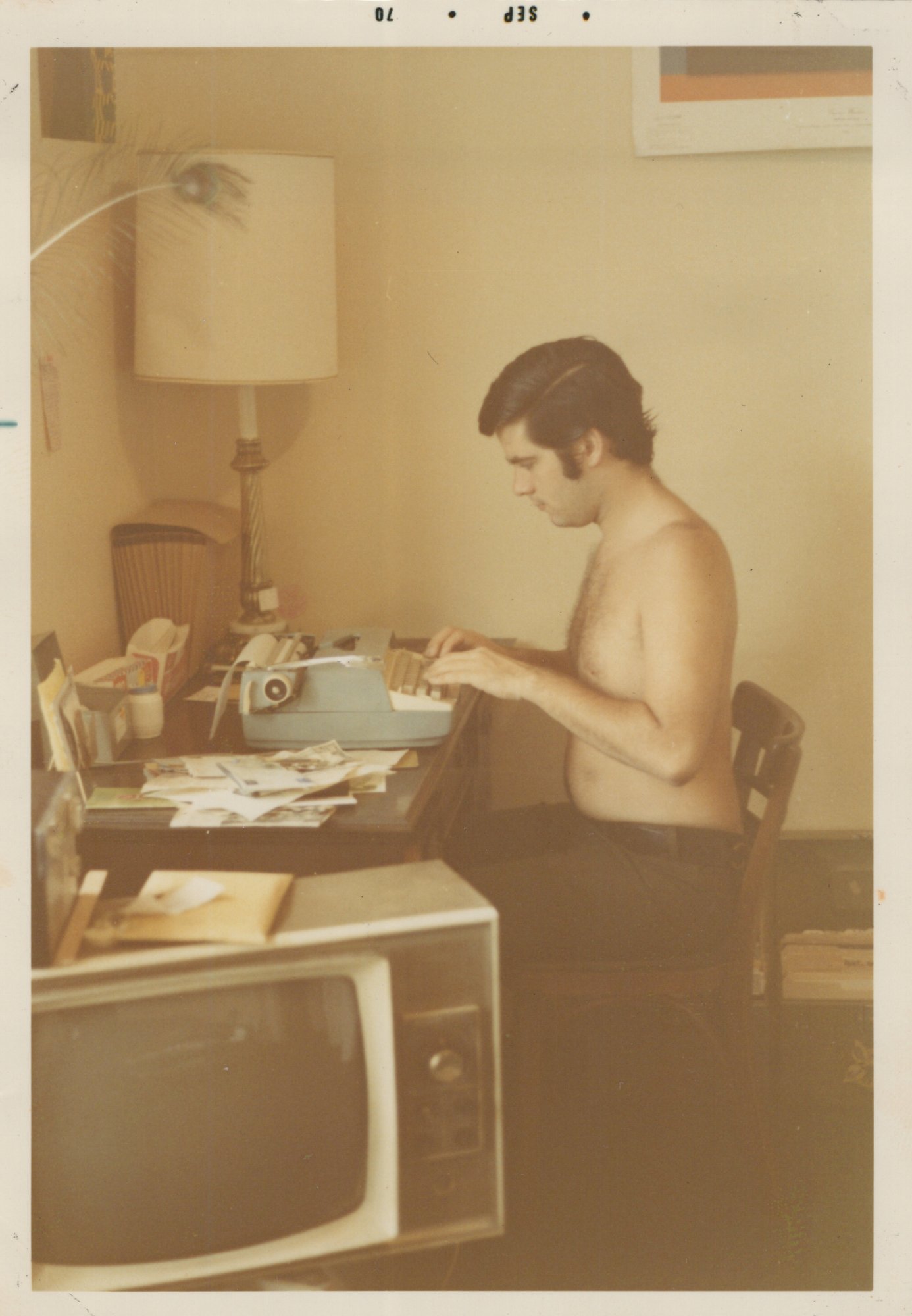
Simon Patrick Townsend lived with his family in the Sydney harbourside suburb of Watson's Bay. His father Lewis Townsend was a sub-editor for The Sydney Morning Herald. When Lewis died in 1955, Simon was just ten years old. His mother moved the family to a boarding house in Bondi, and then to Woy Woy on the NSW Central Coast.
It was in Woy Woy where everything began.
The Teenage Reporter
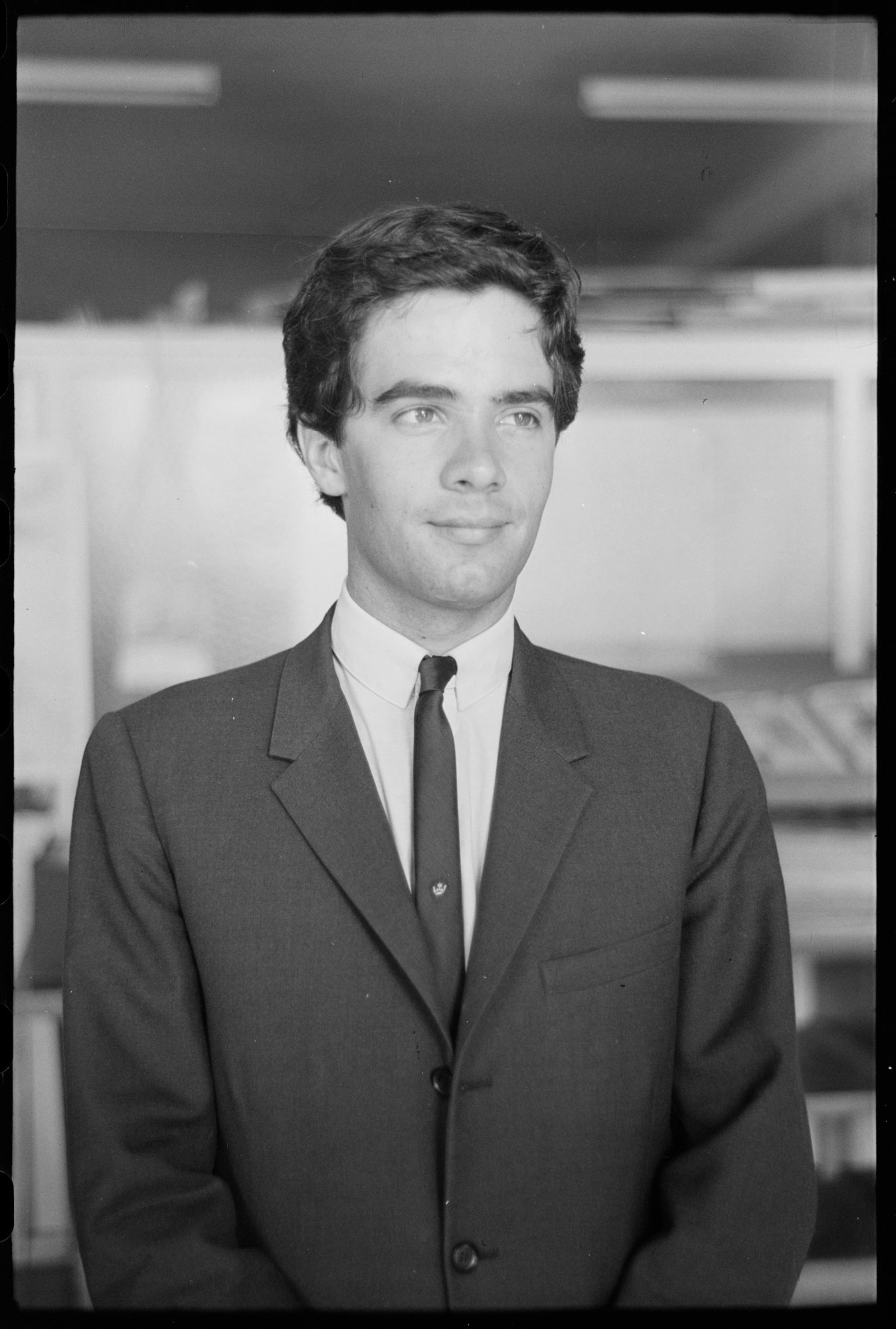
At sixteen, Simon walked out of high school and straight into a job as a reporter for the Central Coast Express in Gosford. Within three months he had his own column, "Teen Topics." He later laughed at himself for being young and over-confident, and admitted that in his third year of journalism, he began work on a textbook for journalists.
He spent his early years learning his craft on regional NSW newspapers in Tamworth, Maitland, and West Wyalong. He was a photographer, speechwriter, ghost writer, court reporter, sub-editor, crime reporter, parliamentary reporter, and (once) a movie actor for eight seconds on screen.
He moved to Sydney to become a reporter for The Sun newspaper, and his career accelerated from there.
The Conscientious Objector
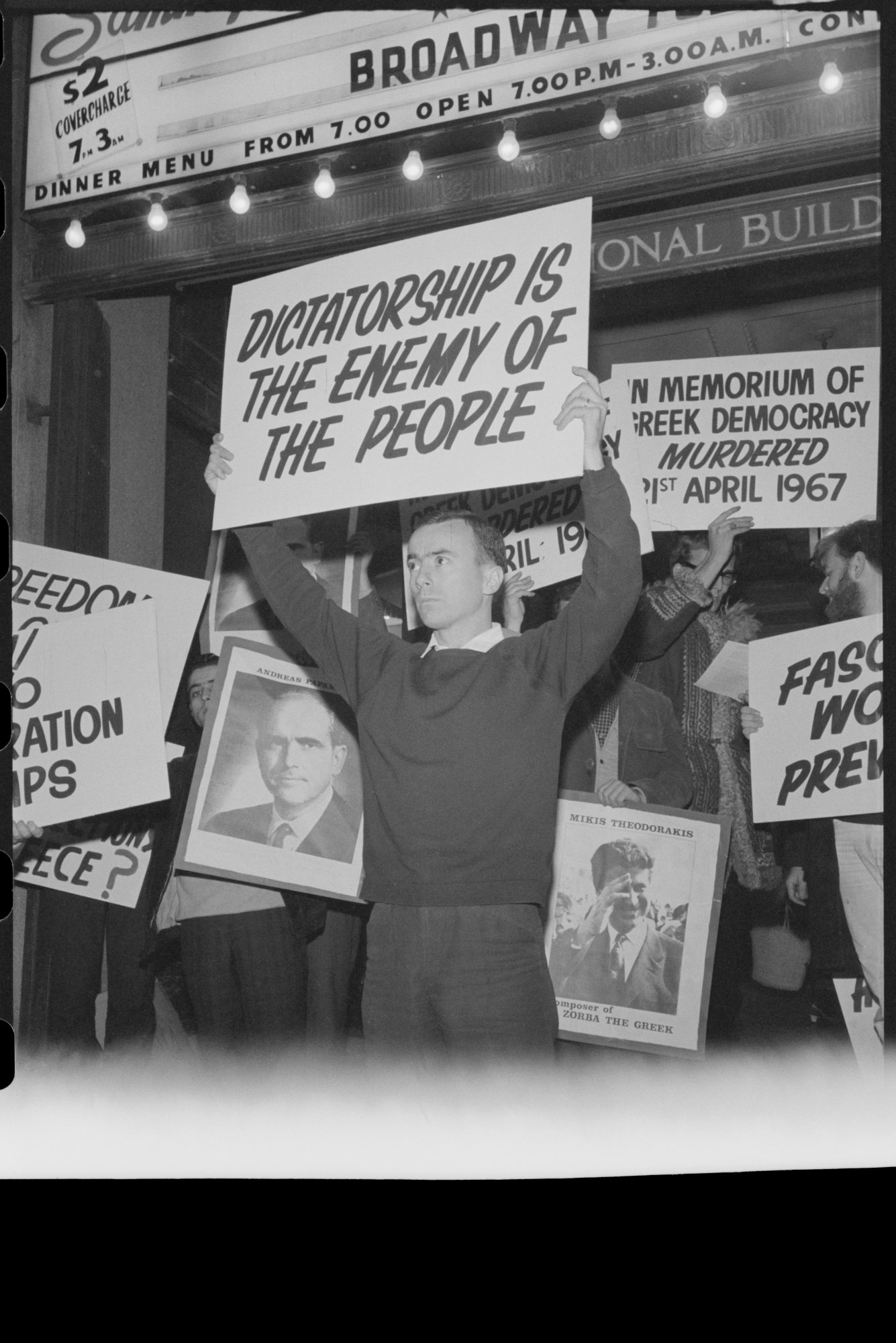
In 1965, at the height of the Vietnam War, the twenty-year-old Simon registered under the National Service Act as required by law, and immediately applied for conscientious objector status on the grounds of pacifism. It was refused. A judge deemed him "insincere."
What followed was one of the most dramatic chapters of Australian anti-conscription history. Simon refused to attend his military medical examination. He was fined. He was served with call-up papers. He refused those too. He was committed to the custody of the Australian Army and charged multiple times under the National Service Act.
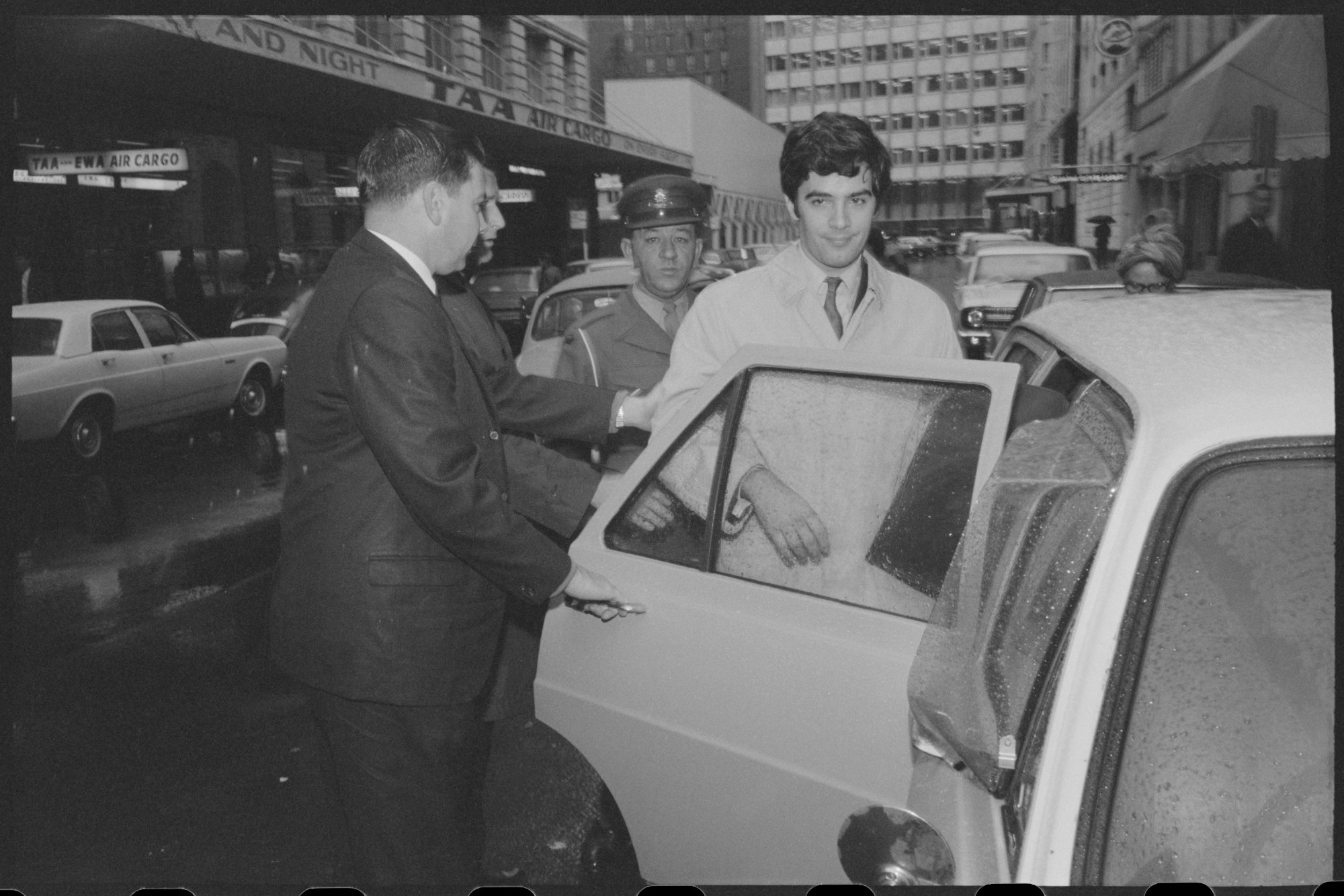
In military detention, he refused to salute, refused to wear a military badge, refused to wear ammunition webbing, and refused to lay out his kit. He was court-martialled, sentenced to 28 days in solitary confinement at Holsworthy Detention Centre, and placed on a bread and water diet. He scratched words into his cell wall: "Wars will cease when men refuse to fight."
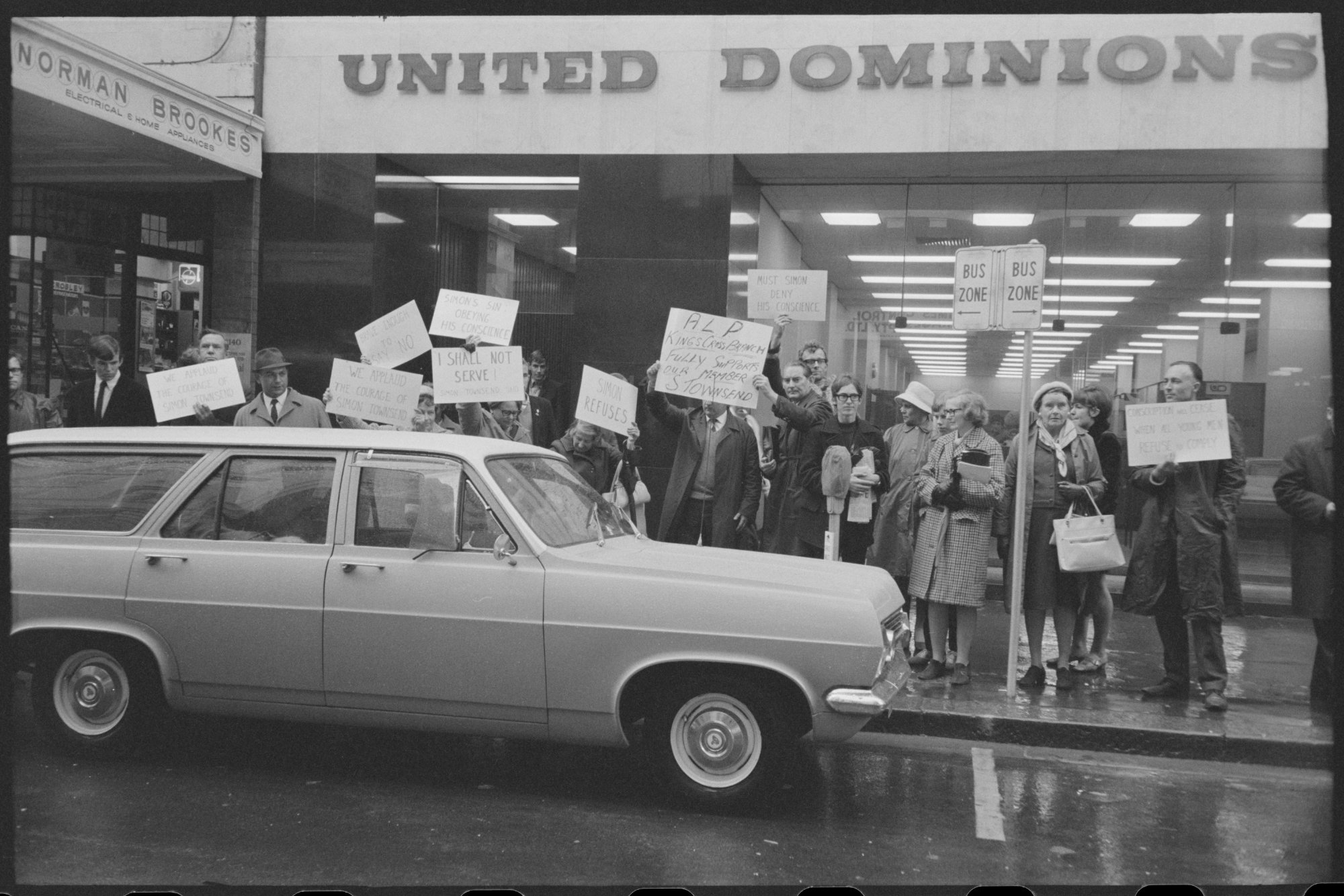
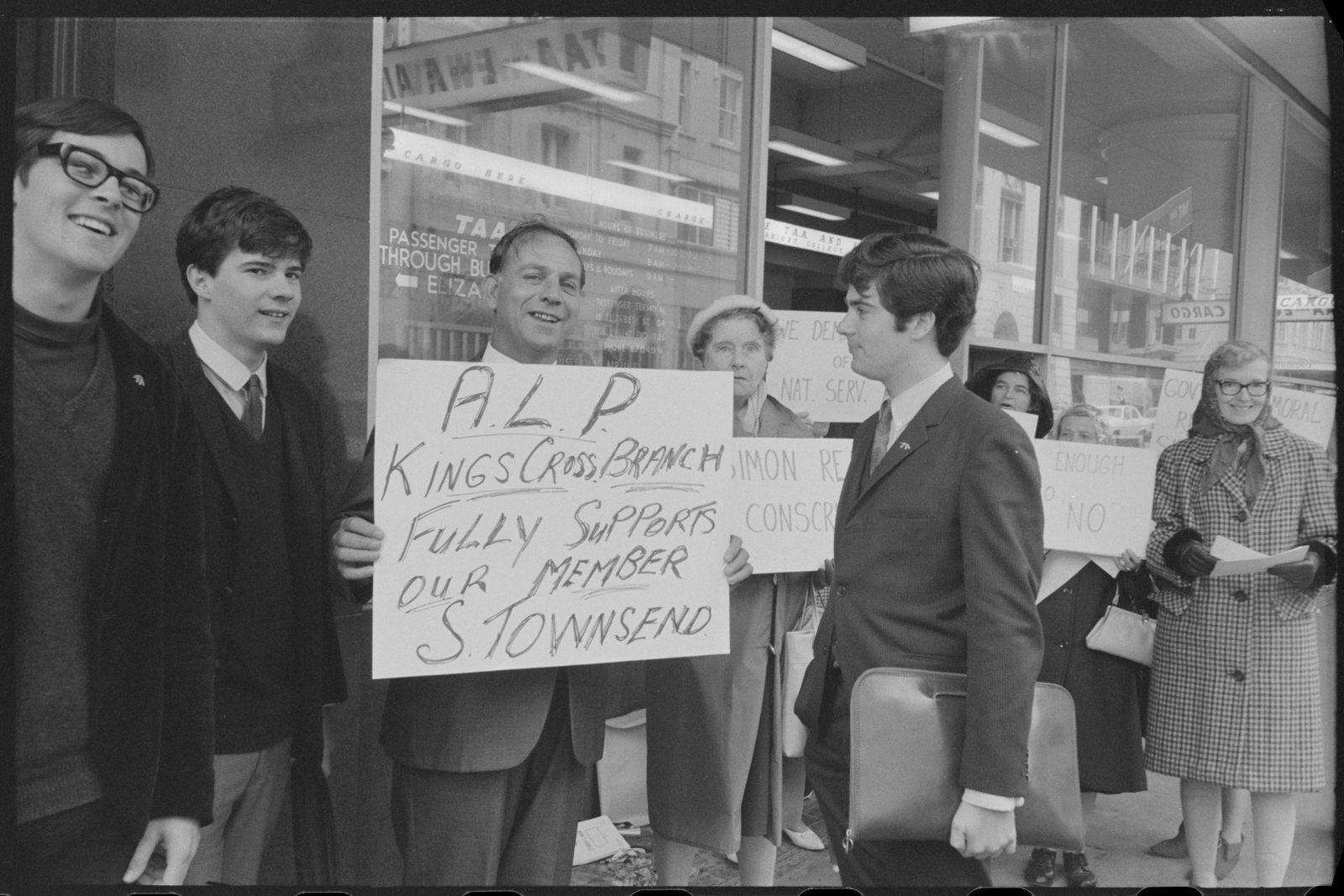
His case made front-page news across Australia. "Free Townsend" protests erupted in Sydney. His brother sought help from Labor politicians Gough Whitlam and Len Devine, who visited Simon in detention. On 10 June 1968, activists marched from Liverpool Station to Ingleburn Military Camp where Simon was being held. Four days later, his application for conscientious objector status was finally accepted, the court no doubt influenced by the enormous public attention his case had attracted.
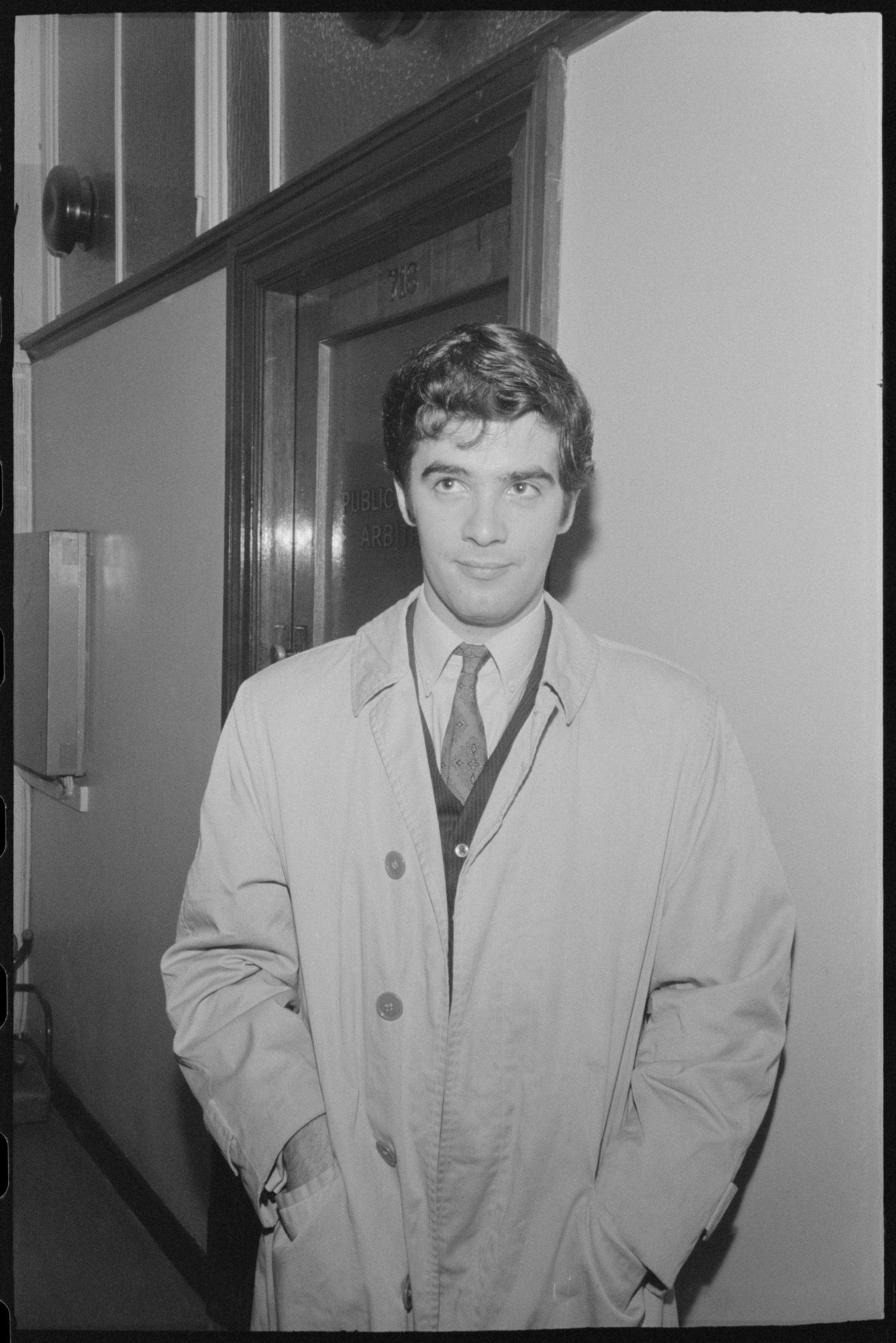
After his release, Simon continued fighting the National Service Act, forming Sydney's Conscientious Objectors' Group and joining the Caravan Against Conscription through rural NSW. He was known for attending protests in a three-piece suit.
Read the full conscription story →
The Journalist
In 1970, Simon joined the ABC as a reporter for This Day Tonight, the flagship current affairs program. He moved to the Nine Network's A Current Affair under Mike Willesee, where he reported on consumer issues and public interest stories. He also worked for CNN as a news editor and served as a United Nations correspondent.
Over the course of his career, Simon held an extraordinary range of roles: photographer, pictorial editor, speechwriter, ghost writer, court reporter, sub-editor, crime reporter, parliamentary reporter, documentary scriptwriter, PR officer for the Australian Film Television & Radio School, commercials presenter, radio presenter at 2GB, and writer for The Australian Women's Weekly and New Idea.
He was, in his own words, a grizzled journo who loved every minute of it.
Wonder World
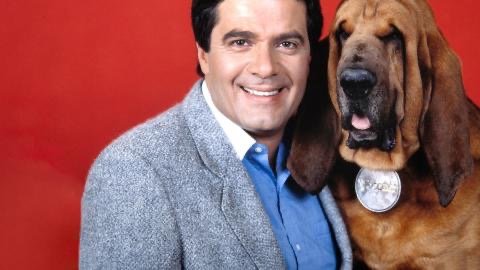
In 1979, Simon combined his two great passions, journalism and children, to create Simon Townsend's Wonder World! on Network Ten. When the Australian Broadcasting Tribunal introduced a compulsory 'C' classification requiring networks to broadcast children's programming in the afternoon timeslot, Simon was ready. He'd been trying to sell the concept for six years, through two pilot episodes: The Ripper Report in 1974 and Wonder World! in 1977.
Wonder World became a phenomenon. It dominated the 4pm weekday timeslot, airing 1,961 episodes over eight years and winning five Logie Awards plus a special commendation from the Prime Minister for its 1000th episode. The show's hallmarks were humour, popular music, and Simon's iron rule: never talk down to children. Stories were designed to be "timeless and placeless" so they would always appeal to, as Simon put it, "Tom in Perth."
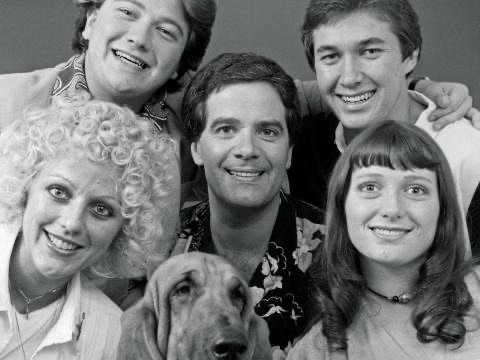
The show launched careers. Angela Catterns, one of the original four reporters alongside Jonathan Coleman, Sandy Mauger and Adam Bowen, went on to become one of Australia's most beloved broadcasters. Coleman became a radio star in both Australia and the UK. Amanda Keller and Anita Jacoby got their first media jobs on the show. Behind the camera, cinematographer Andrew Lesnie went on to win an Academy Award. Across eight years, 17 reporters told 8,000 stories.
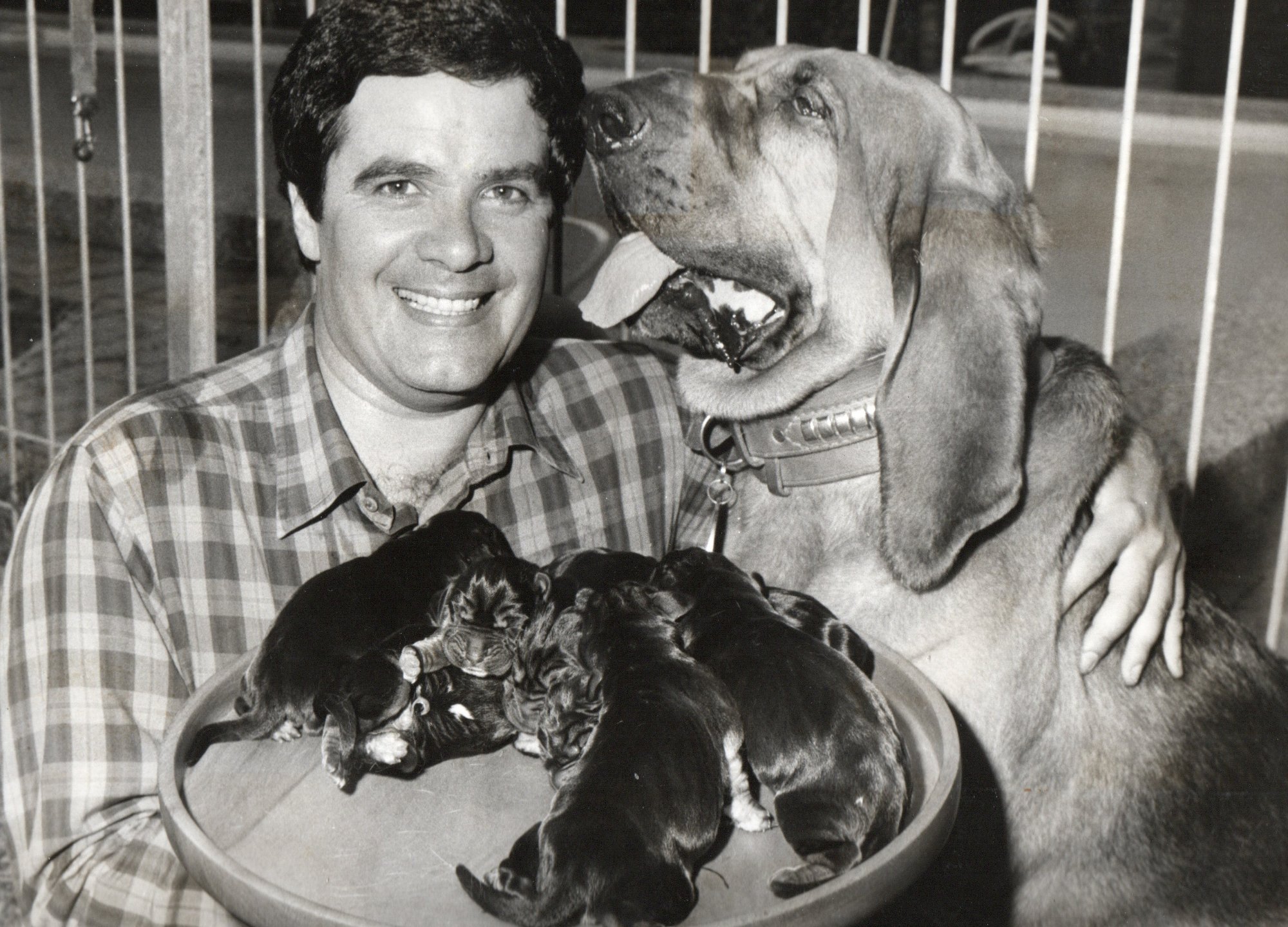
And then there was Woodrow. The bloodhound who shared Simon's set became a national treasure in his own right. When Woodrow died on 10 April 1986, it was front-page news. The show held a competition to name his Labrador replacement, and the winning entry was "Logie," fitting given that Simon had recently won his fifth Logie Award that year.
The first episode of Wonder World featured "Afternoon Delight" by the Starland Vocal Band as its opening music, replaced after Simon was made aware of the suggestive nature of the lyrics. Chris Pelcer wrote the famous theme song, first recorded by John St Peeters, later re-recorded by Naomi Louise Warne.
The final episode, number 1,961, was recorded on 22 April 1987. "Hello and goodbye," Simon said. His sign-off did not dwell on sadness but encouraged viewers to smile and laugh.
Explore the Wonder World story →
After Wonder World
In 1993, Simon created TVTV for the ABC, a review program that examined television shows and interviewed TV personalities. He also produced radio shows, created board games, and was a correspondent for CNN.
But it was teaching that brought him his greatest late-career satisfaction. Simon became a journalism tutor, pouring decades of craft knowledge into hundreds of factsheets and guides for aspiring journalists. He was relentless, passionate, and blunt. He told his students to get published, to stop making excuses, and to never, ever submit work with a spelling error.
Those hundreds of factsheets, covering everything from brevity to interviewing to how to sell your article, are what you'll find on this site.
Family
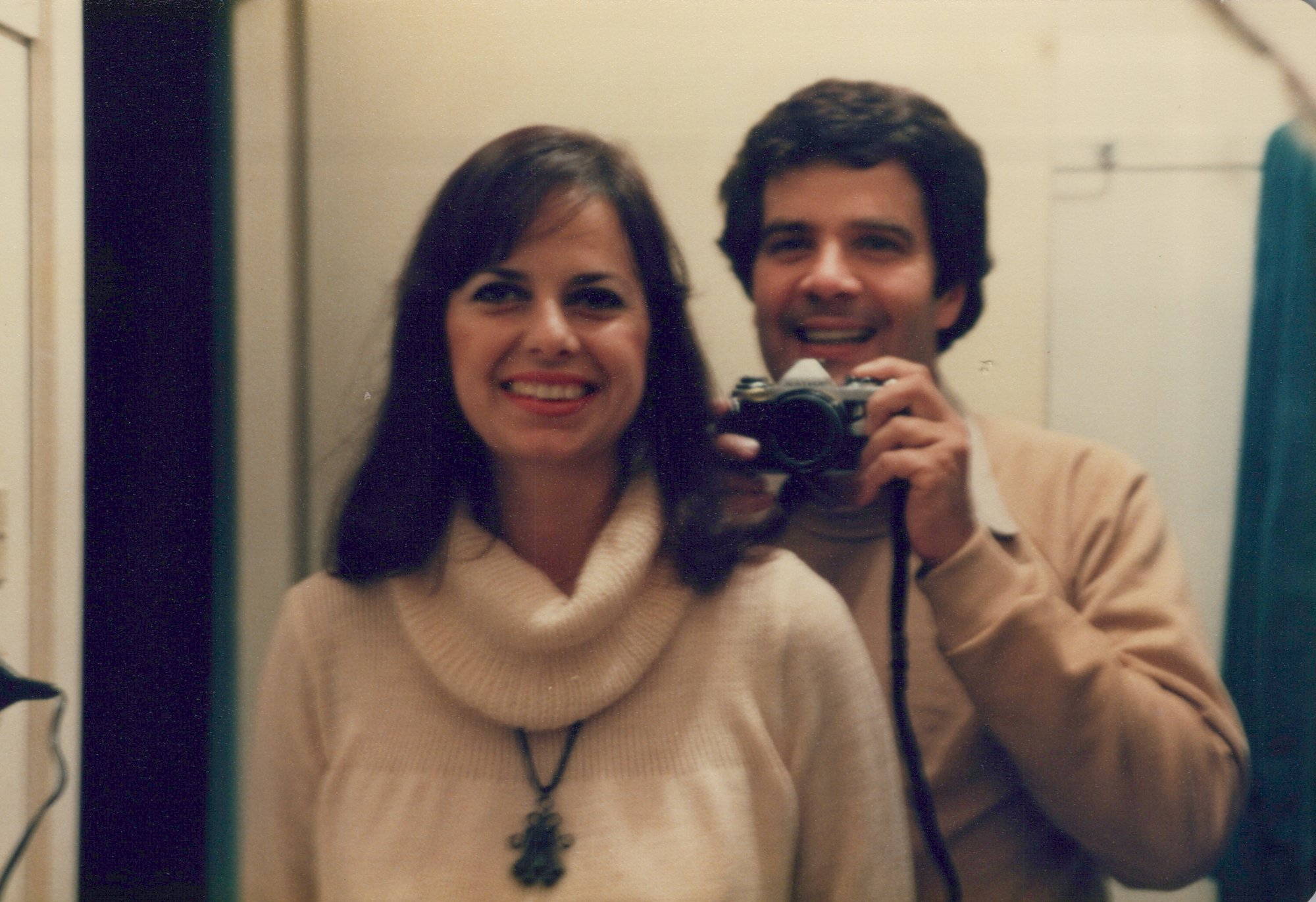
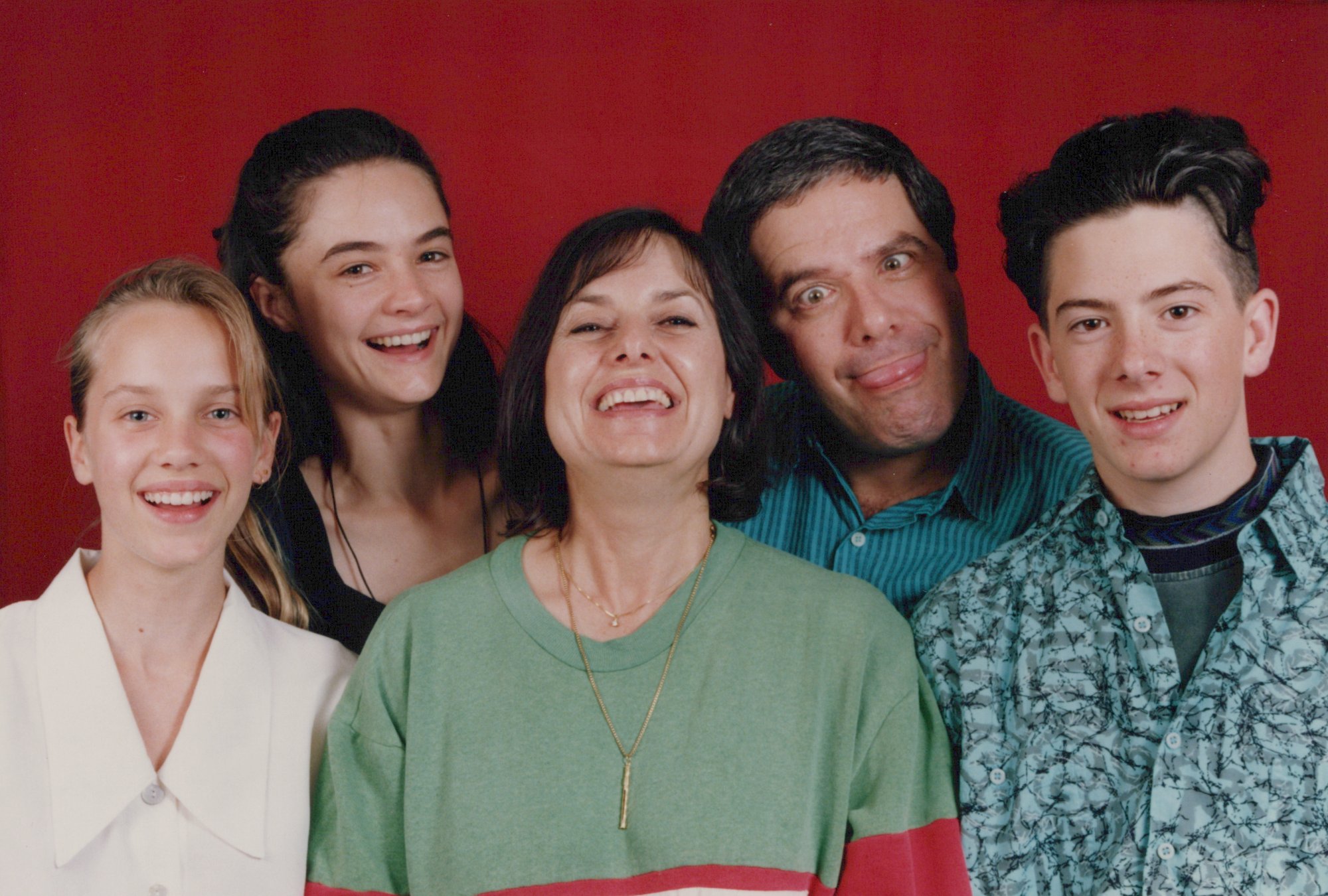
Simon met his wife Rosanna while working at A Current Affair. They had two children: Michael Townsend and Nadia Townsend, an actress turned dramaturg. In 1991, because of a change in adoption laws, Simon was reunited with his first daughter, Lisbeth Kennelly, an actress turned producer. Rosanna died in 2003.
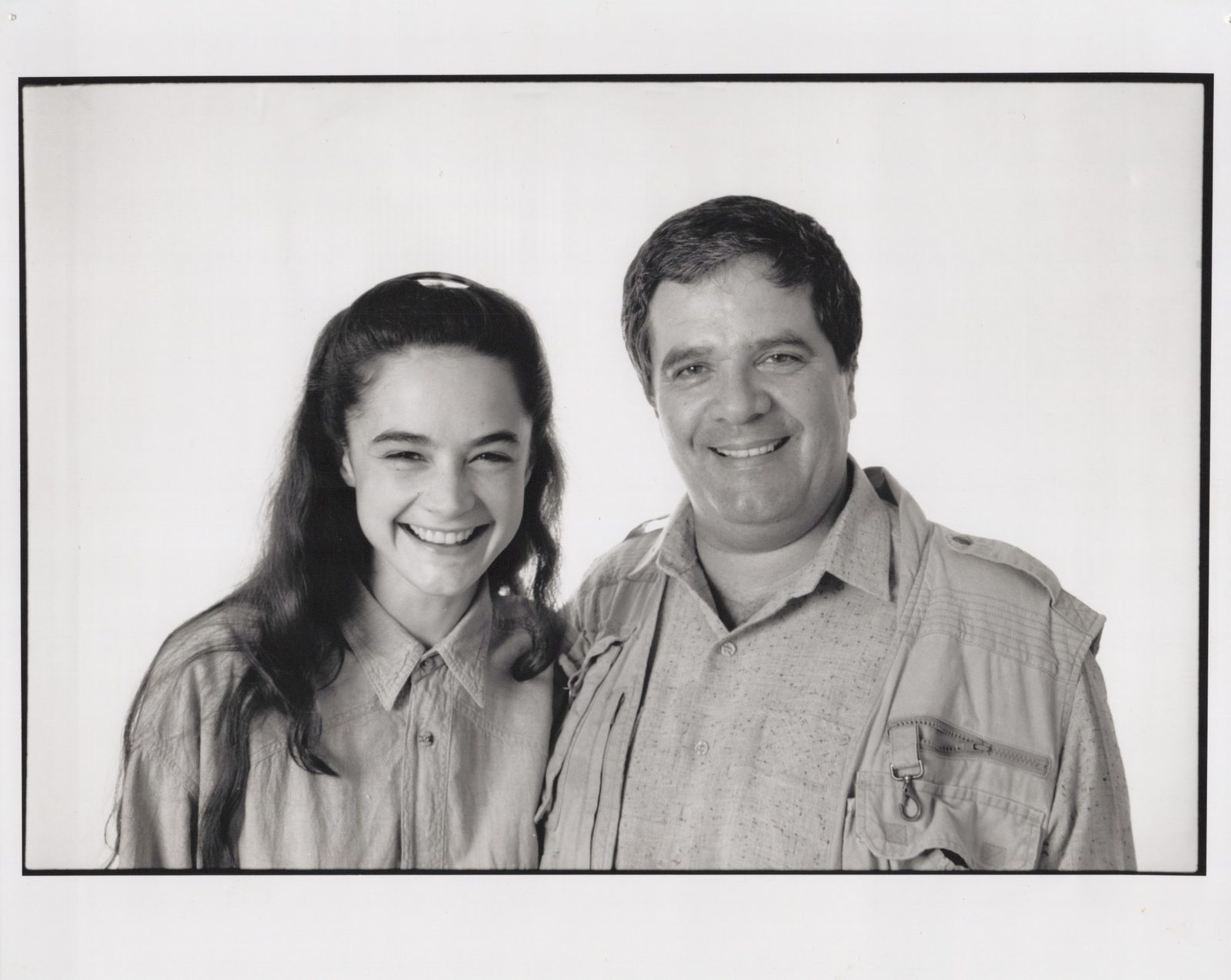
In later years Simon suffered five strokes but remained connected to storytelling, still watching A Current Affair five nights a week. He was diagnosed with an aggressive cancer in late 2024.
The Final Days
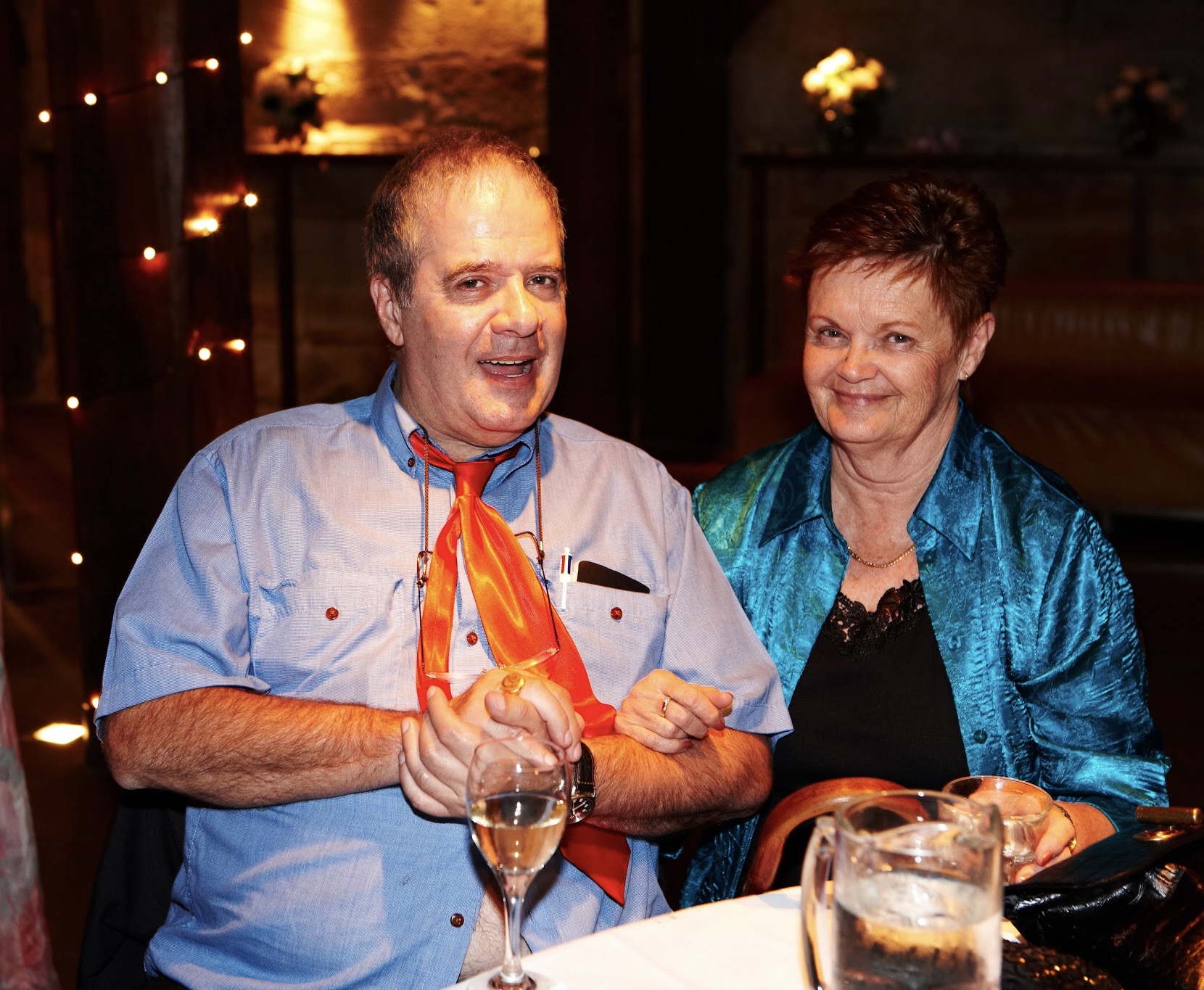
Simon died on 14 January 2025, aged 79. His family's statement captured him perfectly:
"In his final days, Simon was surrounded by his family and a mix of journalists, writers, actors, political activists and Italians. The conversation to the last was loud, passionate and full of laughs."
Angela Catterns, one of Wonder World's first reporters, remembered Simon on ABC Radio Sydney: "It was possibly the greatest job I've ever had in my life. He was delightful of course, but he really knew what he wanted, he wasn't about to compromise and he was actually a lovely boss."
Simon's daughter Lisbeth Kennelly added: "He was a wonderful, fascinating, complex person and a wonderful family man."
He is survived by his three children, his brothers, and his five grandchildren.
Explore Simon's Legacy
- Wonder World: The Legacy, the full story of the show
- The Conscription Story, Simon's stand in detail
- Simon Townsend's 10 Rules, the foundation of his teaching
- NFSA Simon Townsend Collection, rare video clips, photos, and scrapbooks
- NFSA: Simon Townsend's Career, 15 facts you might not know