Between 3 September 1979 and 22 April 1987 a children's current affairs program called Simon Townsend's Wonder World! went to air on Network Ten on weekday afternoons. By the time it finished it had produced 1,961 episodes, won five Logie Awards, screened the first ever INXS music video, made household names of seventeen young reporters, and convinced a generation of Australian kids that the world really was wonderful.
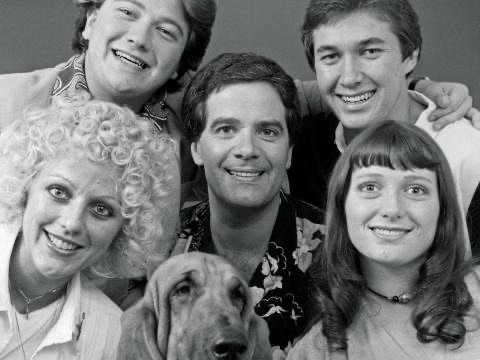
The show was Simon Townsend's idea, and his life's work. Much of what he later taught about journalism came from the lessons he learned producing Wonder World: that children were smarter than television made them, that journalism was a craft, that good stories were about people, and that a presenter who talked down to his audience was a presenter who deserved to lose them.
Why it worked
Wonder World refused to patronise children. There were no puppets. No songs about the alphabet. No presenters in bright jumpers pretending to be your friend. Instead, young reporters went out in the field and did actual journalism. They interviewed the Prime Minister. They investigated cane toads. They went to the Bathurst 1000. They reported from Antarctica. They did the things adult reporters did, and they did them with curiosity and respect for the audience.
Simon himself was the anchor, in the studio, setting up stories, reading the letters, delivering the famous signoff: "And remember, the world really is wonderful!". The show's genius, he always said, was the reporters. The reporters made their names on it: Angela Catterns, Jonathan Coleman, Adam Bowen, Sandy Mauger in the original 1979 line-up, then later Nathan Dawes, Jo Pearson, Monica Trapaga, Tim Webster, and more than a dozen others.
Woodrow the Bloodhound
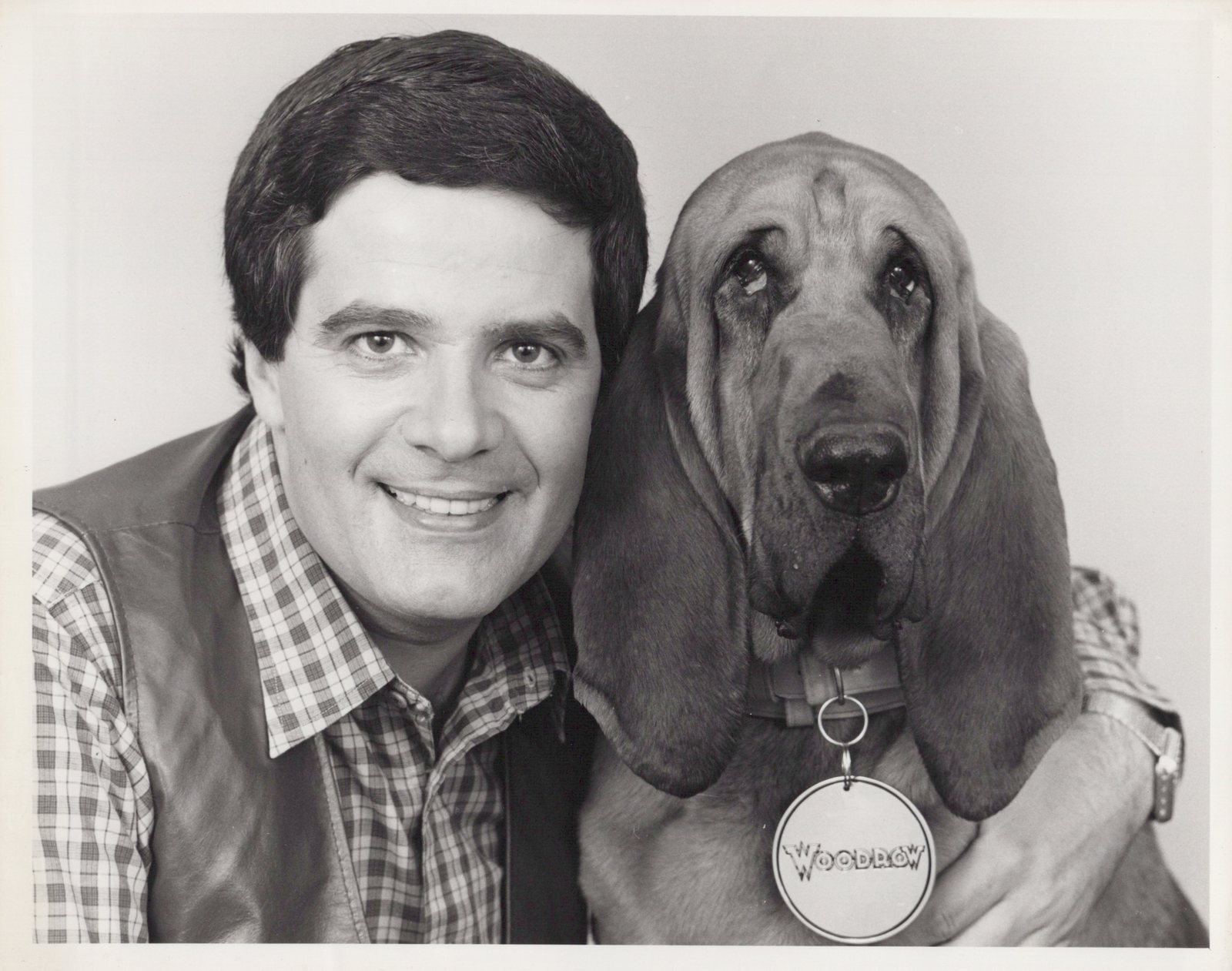
Woodrow arrived in episode one and stayed until his death in 1986. A Queensland bloodhound, languid and enormous and sad-eyed, Woodrow became one of the most recognisable dogs in Australian television history. He was not a talking dog. He did not do tricks. He simply was, slumped next to Simon's desk, occasionally snuffling, occasionally rolling over. Children loved him for exactly those reasons.
Kids who grew up watching the show still bring Woodrow up first when they talk to the family about the program. Not the reporters, not the Logies, not the political interviews. Woodrow.
Five Logies and a first for INXS
Wonder World won five Logie Awards for Most Outstanding Children's Program. It was also the show that screened the first ever INXS music video, a clip of the band playing Just Keep Walking directed by Simon's friend Scott Hicks in 1980, well before the band had any commercial radio traction. It was one of INXS's earliest pieces of national television exposure.
The show pioneered a specific kind of location journalism for young audiences. Reporters went to the Cook Islands, to Papua New Guinea, to the set of The Dukes of Hazzard. They did it on a shoestring. Townsend liked to say it was one of the few shows on Ten that made money for the network by spending less than it brought in.
Where to watch it now
The official Wonder World YouTube channel holds clips and stories from the show, with more added regularly. Subscribe there to see new ones as they are posted.
Why this legacy matters to journalism
Wonder World mattered then because it treated children as an audience that deserved good journalism. It matters now because it proved that good journalism does not need a large budget or a prestige slot or an adult demographic. It needs curiosity, respect for the audience, reporters prepared to get on a plane, and a producer willing to let them make mistakes.
Simon Townsend's journalism writing, the hundreds of pieces that make up the rest of this site, was shaped by the decade he spent making Wonder World. The craft rules he taught were the rules he gave the Wonder World reporters. The insistence that stories are about people, not topics. The rule about every word earning its place. The horror at jargon. The insistence that the audience is always smarter than you think.
Watch the show. Read the writing. They belong to each other.